history
Indiana's Oldest County Fair: 180 Years of Tradition, Community, and Agriculture
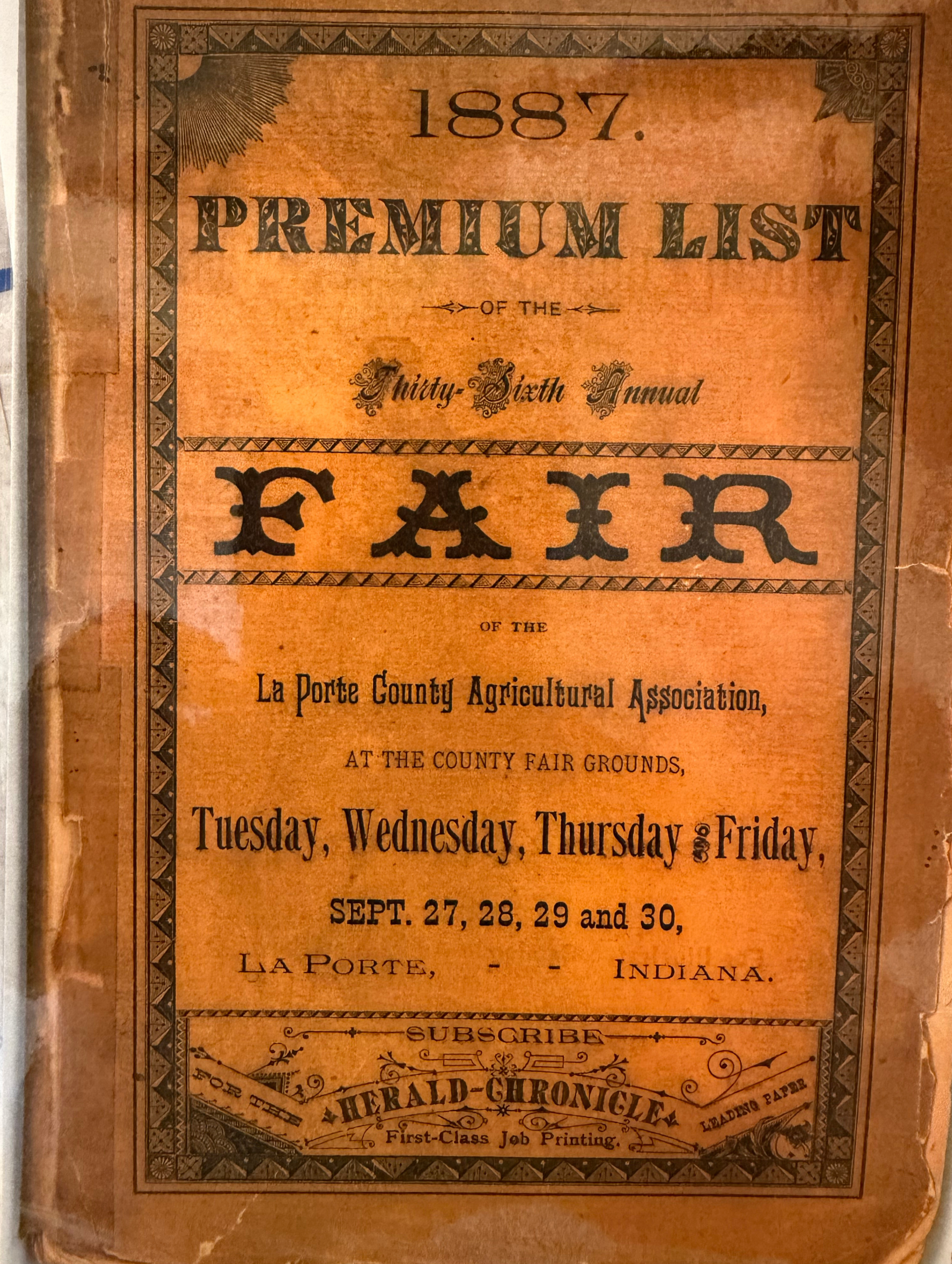
Established in 1845, the LaPorte County Fair proudly holds the distinction of being Indiana’s oldest county fair. For more than 180 years, it has served as a gathering place where agriculture, education, tradition, and community come together to celebrate the rich heritage of LaPorte County.
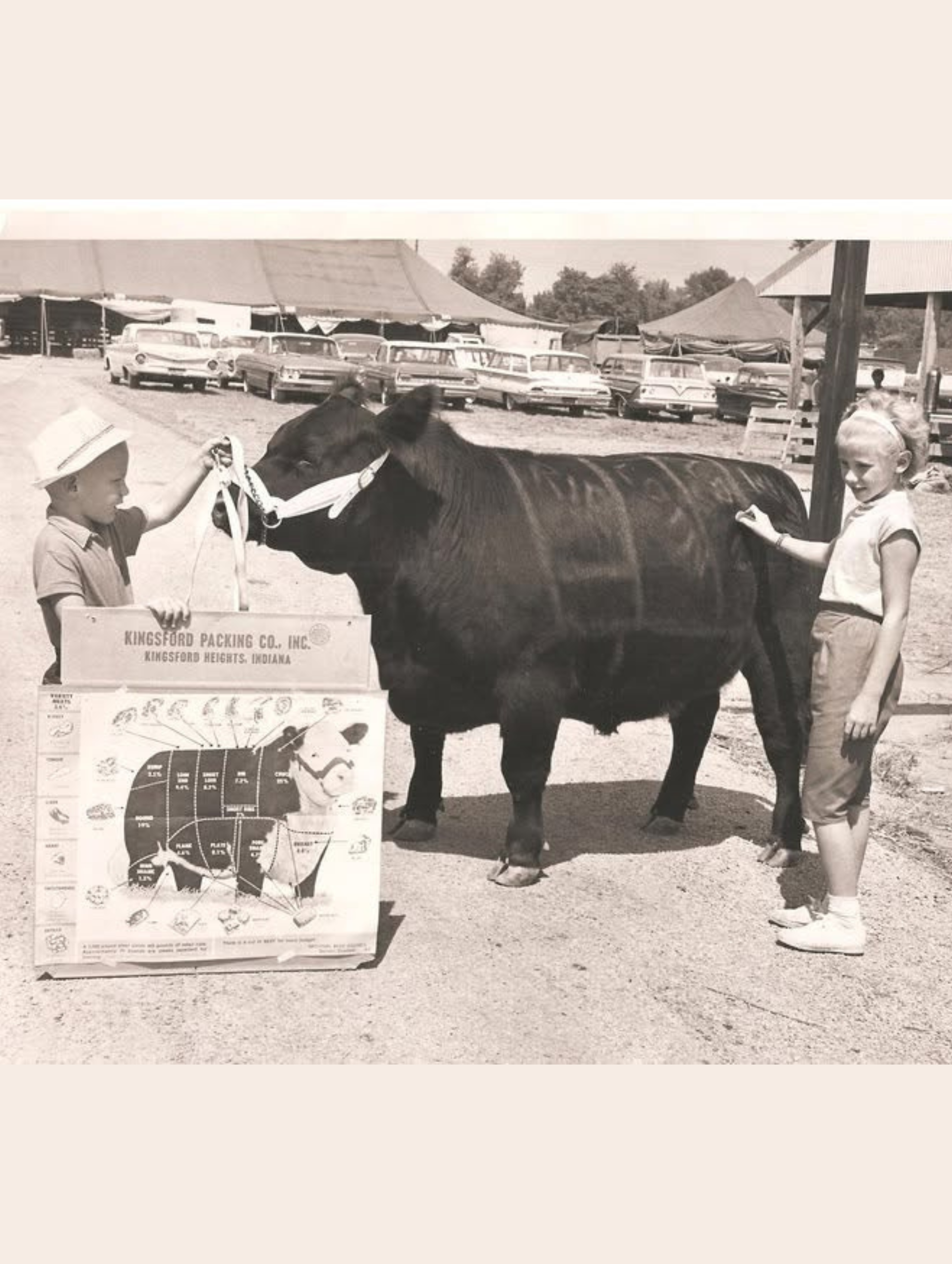
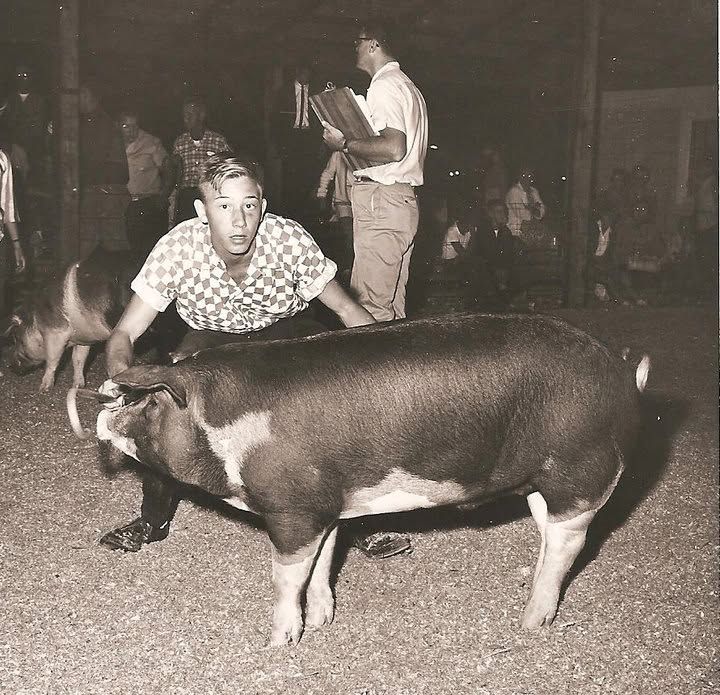
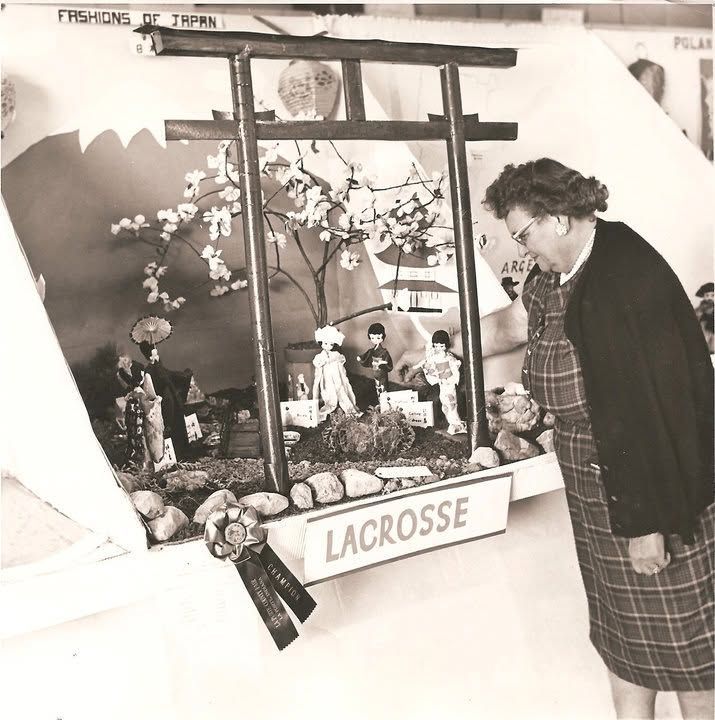
The first fair, organized by the LaPorte County Agricultural Association, reflected the county’s strong agricultural roots. Early exhibits focused on showcasing the best farm products and livestock, including grains, vegetables, dairy products, horses, cattle, sheep, and hogs. As the fair grew, exhibits expanded to include food preparation, canning, sewing, crafts, fine arts, and other skills that were essential to everyday life.
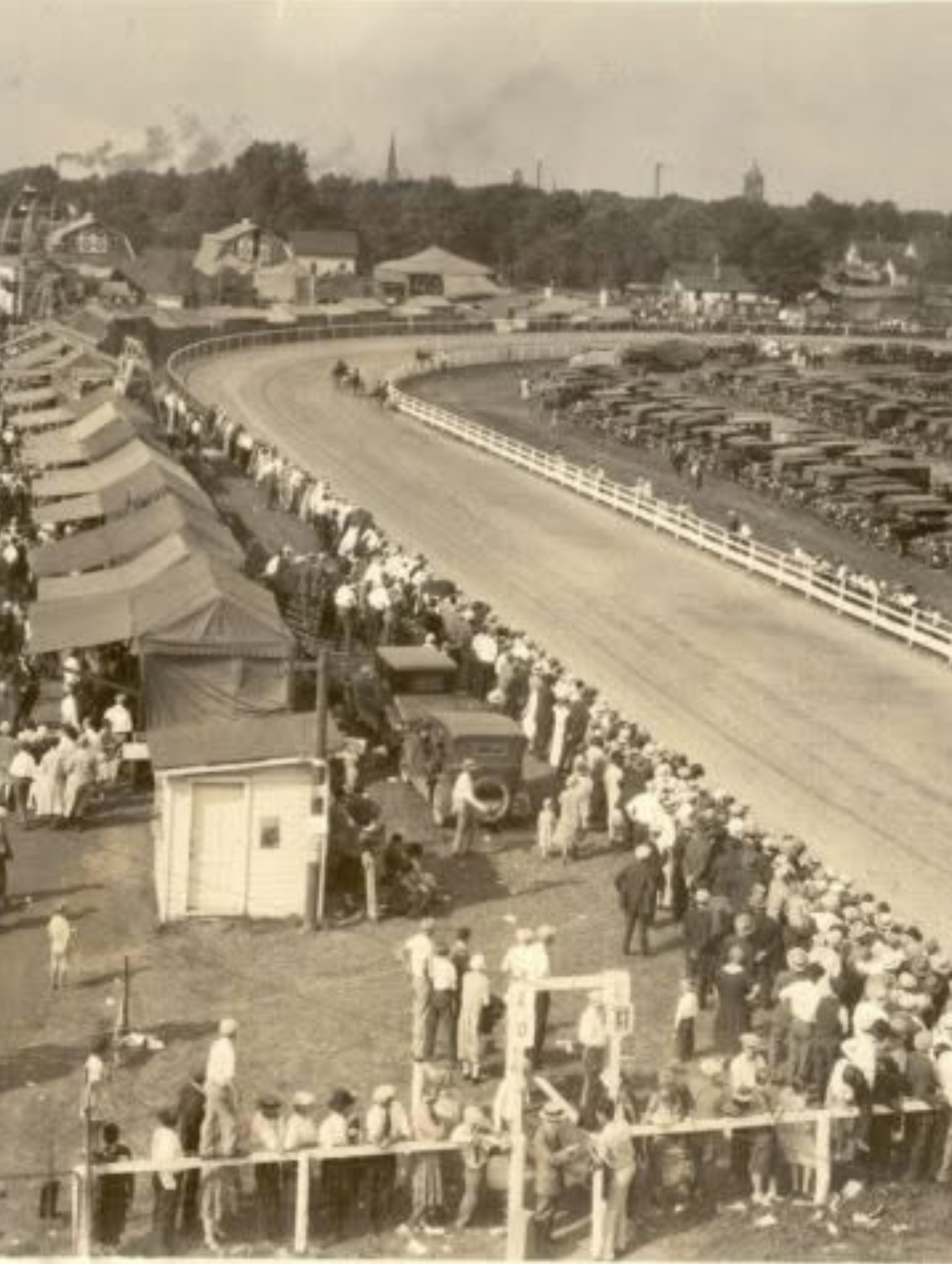
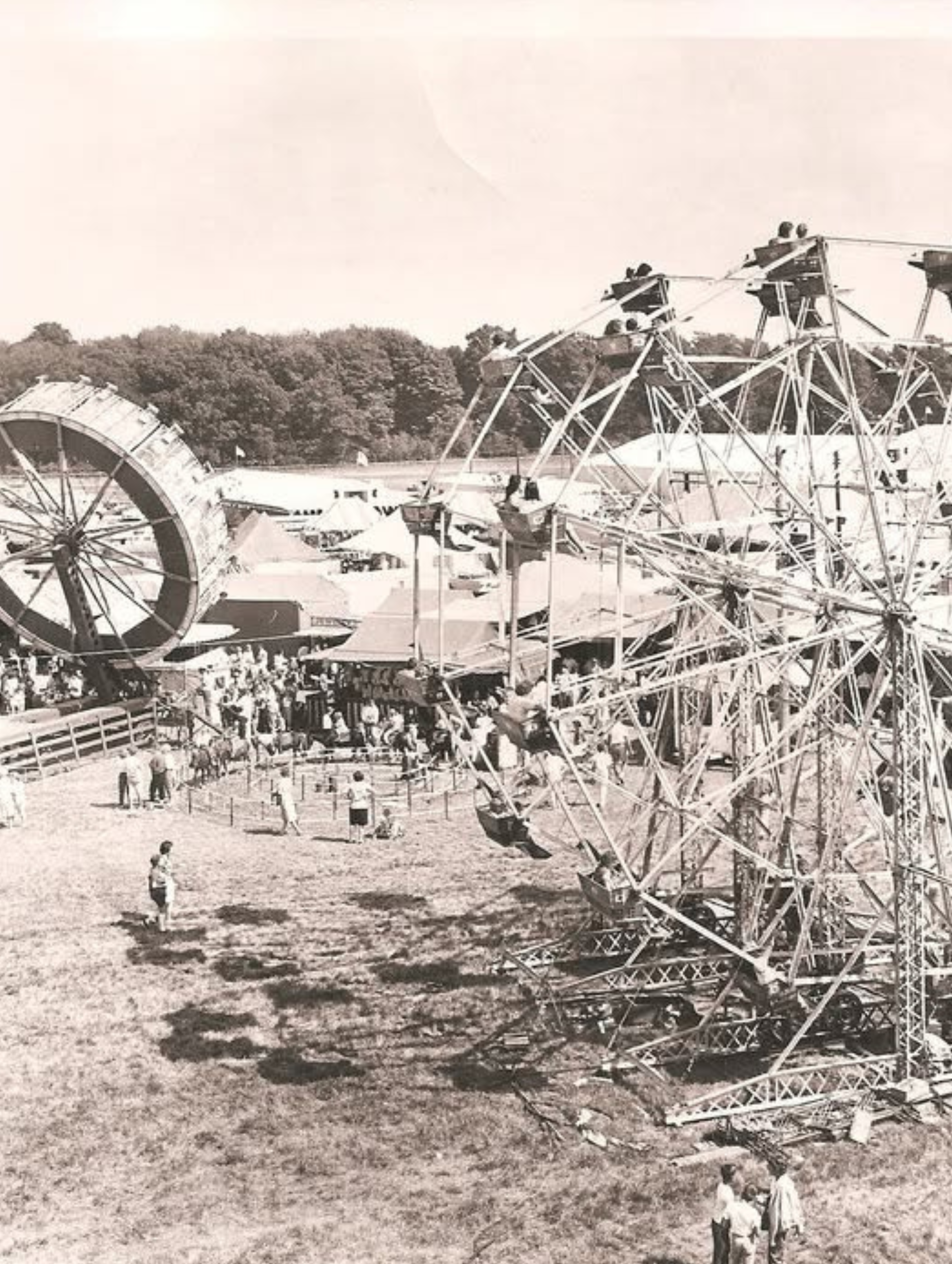
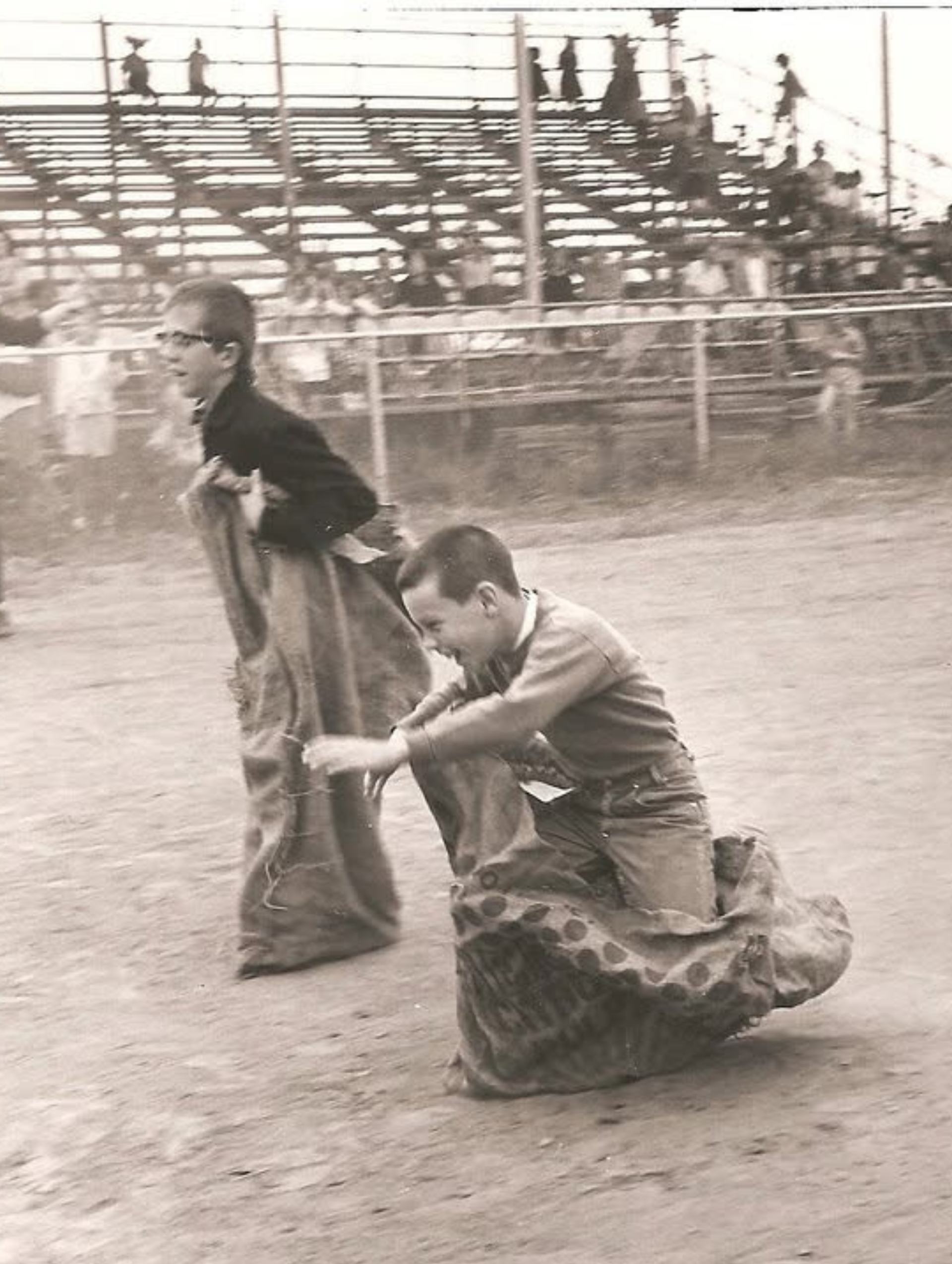
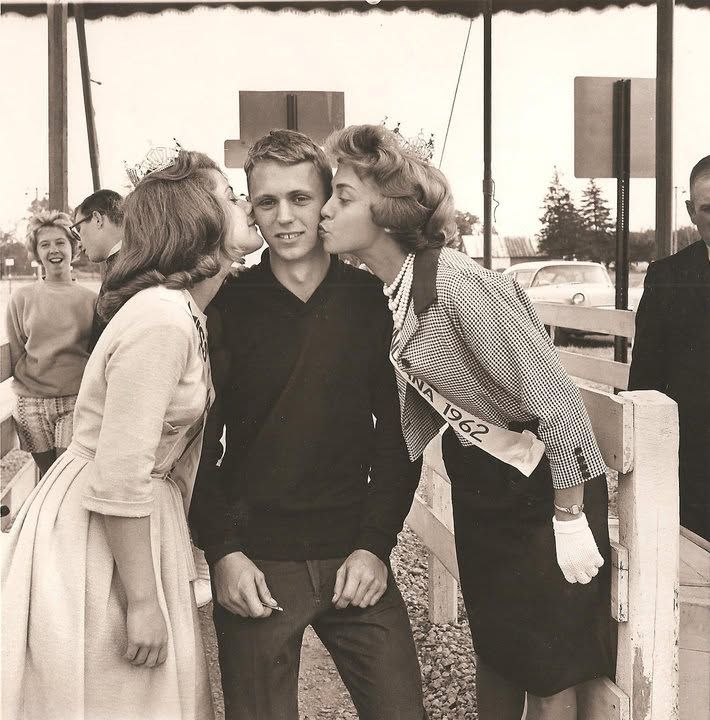
As generations passed, the fair evolved into more than an agricultural exhibition. Horse racing, stage performances, competitions, and carnival attractions became annual highlights, drawing families from across the region. The fair provided an opportunity to learn, compete, reconnect with neighbors, and celebrate the accomplishments of local residents.
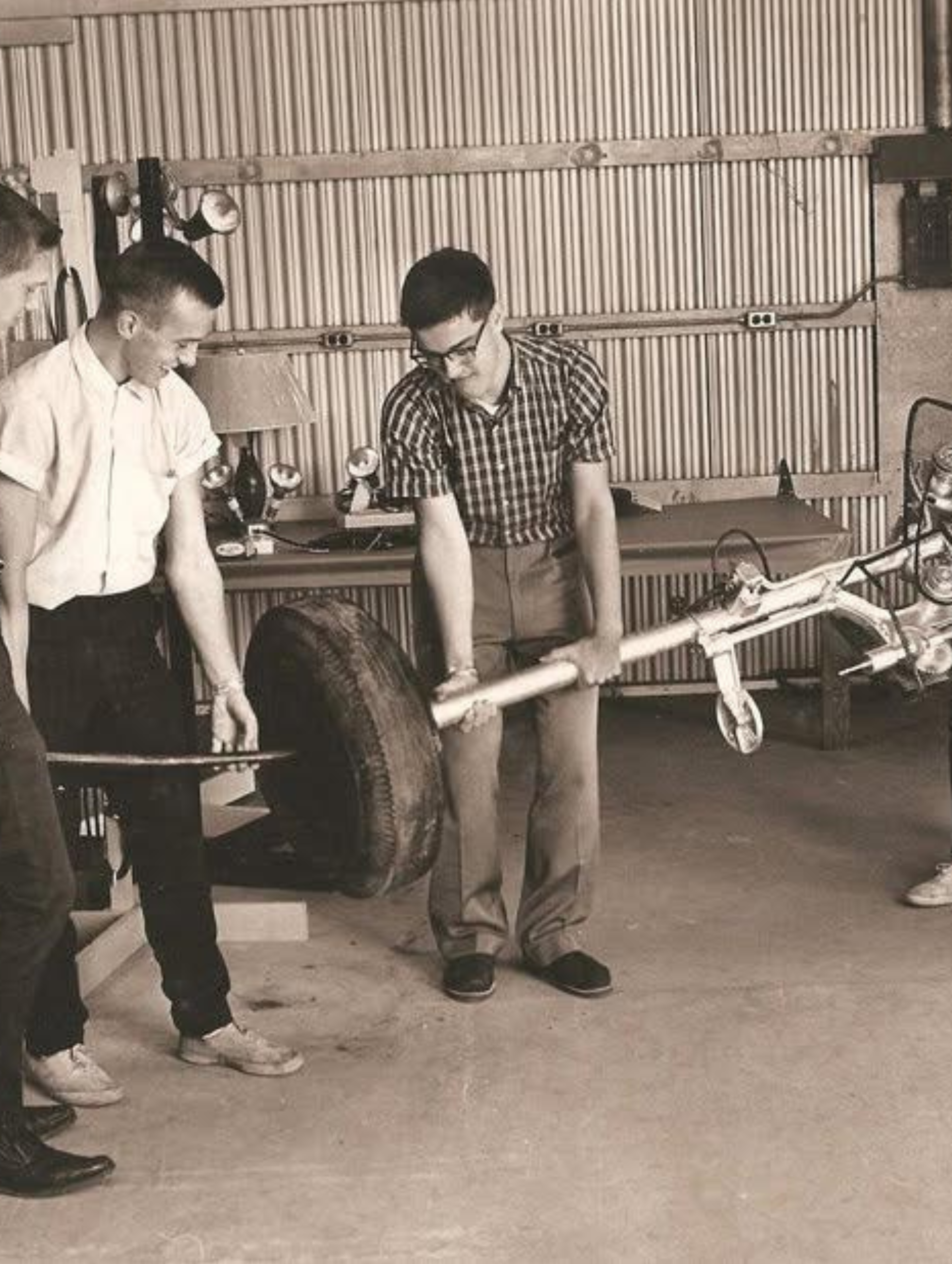
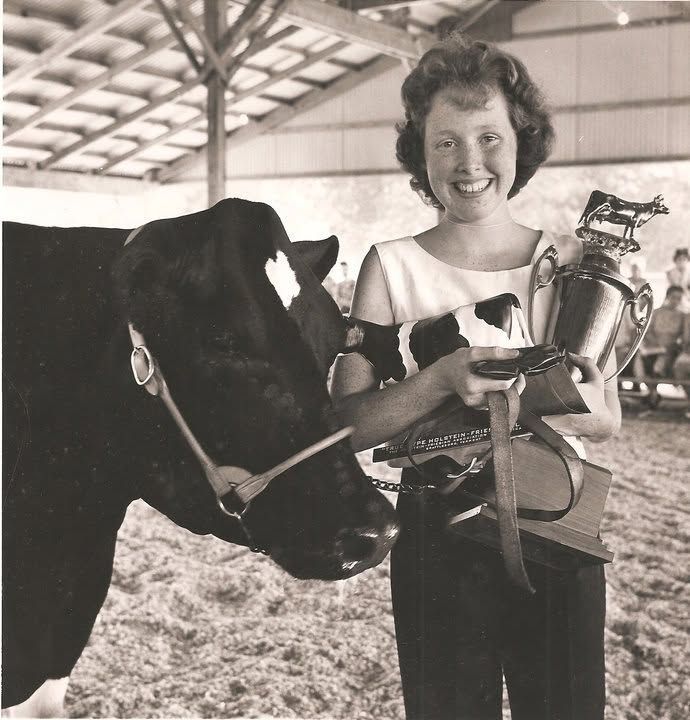
The arrival of 4-H programs in the early 1900s ushered in a new chapter in the fair’s history. The construction of a Boys and Girls Club building in 1918 helped expand youth involvement and strengthened the fair’s educational mission. Today, 4-H remains at the heart of the LaPorte County Fair, providing young people with opportunities to develop leadership, responsibility, and lifelong skills through projects and exhibitions.
While much has changed since 1845, the fair’s purpose remains the same: to celebrate the people, agriculture, and traditions that make LaPorte County special. Thanks to the dedication of hundreds of volunteers, exhibitors, sponsors, and community supporters, the LaPorte County Fair continues to honor its history while creating new memories for future generations.
For over 180 years, the LaPorte County Fair has been where dreams begin, hard work is celebrated, and community pride shines—making it a treasured tradition for generations past, present, and future.